Spiritual Drift
Priceless Lessons from Dr. Price
Sunday, January 18, 2026
Schrader lane Church of Christ
Nashville, TN 37208
How to Prevent Spiritual Drift When Life Gets Comfortable
Have you ever watched a boat drift away from the dock? Not with dramatic speed or against violent waves, but slowly, almost imperceptibly, carried by a gentle current? One moment it's secured. The next—if you're not paying attention—it's ten feet away. Then twenty. Then gone.
That's exactly how spiritual drift works. You don't wake up one morning and decide to abandon your faith. You don't storm away from God in anger or rebellion. Instead, you just... drift. Little by little. Quietly. Comfortably.
In his powerful message from Hebrews 2:1-4, Dr. Richard Price pulls back the curtain on one of the most dangerous threats facing believers today: spiritual drift through neglect. The writer of Hebrews warns us: "Therefore we must pay much closer attention to what we have heard, lest we drift away from it" (Hebrews 2:1, ESV).
Notice that word: "drift." Not rebel. Not abandon. Not reject. Drift. It's passive. Subtle. And deadly.
The Danger of Spiritual Complacency
Dr. Price identifies the central problem: spiritual drift begins with neglect, not rebellion. We stop paying attention. We let our guard down. Life gets busy, comfortable, routine—and we assume our faith will just... maintain itself.
But here's what the Scripture makes crystal clear: "For since the message declared by angels proved to be reliable, and every transgression or disobedience received a just retribution, how shall we escape if we neglect such a great salvation?" (Hebrews 2:2-3, ESV).
Did you catch that? Neglect. Not outright rejection. Not willful sin. Just... neglect. Letting the truth you once cherished collect dust. Treating God's Word like background noise instead of life-giving bread.
Greater Revelation, Greater Responsibility
Dr. Price emphasizes a sobering truth from Hebrews 2:2-3: the more we know, the more we're accountable for. If the message delivered through angels carried serious consequences for disobedience, how much more serious is it to neglect the message delivered by Christ Himself?
This salvation wasn't whispered in a corner. It was "declared at first by the Lord, and it was attested to us by those who heard, while God also bore witness by signs and wonders and various miracles and by gifts of the Holy Spirit distributed according to His will" (Hebrews 2:3-4, ESV).
Think about that. God didn't just tell us about salvation—He confirmed it through:
- Signs that pointed to His power
- Wonders that displayed His glory
- Miracles that demonstrated His authority
- Gifts of the Holy Spirit that equipped His church
We don't have an excuse. We have a responsibility. And with that responsibility comes the daily choice: will we pay attention, or will we drift?
Rest Does Not Mean Disengagement
One of the most dangerous misconceptions in modern Christianity is that spiritual rest means spiritual passivity. Dr. Price confronts this head-on: resting in Christ doesn't mean you can coast.
Yes, our salvation is secure in Jesus. Yes, we rest in His finished work on the cross. But that rest is meant to fuel our engagement, not our complacency. It's the rest of a runner who's found His rhythm, not the rest of someone who's quit the race.
When we truly understand the grace we've been given, it doesn't make us lazy—it makes us vigilant. Grateful vigilance. Joyful obedience. Active faith.
What Spiritual Vigilance Looks Like
According to Dr. Price's message, staying spiritually vigilant requires intentional practices:
- Listen carefully to the truth you've already heard. Don't assume you've "graduated" from the basics. The gospel never gets old; you just get deeper roots in it.
- Stay plugged into corporate worship. When you disconnect from the body of Christ, you become vulnerable. Isolation breeds drift.
- Engage with Scripture regularly. Not as a checkbox, but as daily nourishment. Your soul needs feeding just like your body does.
- Participate in accountability networks. Community support isn't optional—it's essential. We need people who will notice when we start to drift.
Building Your Faith Safety Net
One of the most powerful concepts Dr. Price shares is the idea of a reinforcement model for spiritual health. Think of it like a safety harness with multiple anchor points. If one connection fails, the others hold you steady.
The church's responsibility is to create networks that throw the lifeline when members start to drift. This includes:
- Prayer ministry that intercedes for those who are struggling
- Bible classes and Zoom groups that provide regular teaching and fellowship
- Mentorship relationships that offer personal guidance and accountability
- Corporate worship that reminds us we're part of something bigger than ourselves
- Public invitation that gives people opportunities to recommit and receive prayer
But here's the crucial balance: while the church provides support systems, individuals must take personal responsibility. Leaders can encourage connection, but they can't force it. The lifeline is there—you have to grab it.
Reflection Question
When was the last time you honestly assessed your spiritual trajectory? Are you actively engaged with God's Word and His people, or are you quietly drifting?
Practical Steps to Counter Spiritual Drift
Dr. Price doesn't leave us with theory—he gives us action steps. Here's how to strengthen your faith harness this week:
- Attend a Bible class or small group. Whether it's in-person or a Zoom class, commit to regular learning and fellowship. Write it in your calendar. Make it non-negotiable.
- Request prayer if you're struggling. Don't suffer in silence. Let your church family know you need support. That's not weakness—that's wisdom.
- Re-engage with Scripture and worship. If your Bible reading has become sporadic, start fresh today. Even five minutes of focused attention to God's Word is better than an hour of distracted reading.
- Accept community support. When someone reaches out to check on you, don't brush them off. Let them in. That's the body of Christ functioning as it should.
- Identify your weak points. Where are you most likely to drift? Is it when you're stressed? Busy? Comfortable? Name the danger zones and put safeguards in place.
The Gospel Call: For Those Who Are Drifting
If you've never responded to the gospel, today is your day. The same message that was "declared at first by the Lord" and "attested to us by those who heard" is available to you right now. The call is simple and clear:
- Hear the good news of Jesus Christ
- Believe that He is the Son of God who died for your sins and rose again
- Repent of your sins and turn toward God
- Confess Jesus as Lord
- Be baptized for the remission of sins (Acts 2:38)
And if you're a believer who's been drifting—maybe for weeks, months, or even years—it's time to grab the lifeline. Recommit to vigilance. Increase your spiritual practices. Join the community supports that are already in place for you.
Living This Out
Spiritual drift is real. It's subtle. It's dangerous. But it's also preventable.
You don't have to live in constant fear of losing your faith. Instead, you can live in active vigilance—paying attention to what you've heard, staying connected to God's people, engaging with His Word, and letting the community of faith hold you accountable.
Dr. Price's message from Hebrews 2:1-4 is both a warning and an invitation. The warning? Don't neglect so great a salvation. The invitation? Come back. Reconnect. Re-engage. The anchor is still there. The lifeline is still strong. And God's grace is still sufficient.
Where is God calling you to show greater vigilance this week? Maybe it's attending that Bible class you've been skipping. Maybe it's reaching out to a brother or sister who's noticed you drifting. Maybe it's simply opening your Bible again and paying attention to what you've already heard.
Whatever it is, don't wait. Spiritual drift happens slowly, but the decision to counter it can happen right now.
📺 Watch the Full Sermon
Want to dive deeper into Dr. Price's teaching on preventing spiritual drift? Watch the complete message from Schrader Lane Church of Christ:
Take Action Today
Don't let this be just another article you read and forget. Choose one specific action from this post and do it this week:
- Attend a Zoom Bible class or local church group
- Request prayer from your church family
- Recommit to daily Scripture reading
- Reach out to an accountability partner
Visit BarrysBureau.org for more resources on spiritual growth and Christian excellence.
Preventing Spiritual Drift Through Vigilance
Test Your Understanding of Dr. Price's Message from Hebrews 2:1-4
— Hebrews 2:1 (ESV)
Welcome to this interactive quiz on preventing spiritual drift! This 7-question quiz will help you review and apply the key principles from Dr. Richard Price's powerful message. You'll receive immediate feedback on each answer to deepen your understanding.
⚓ Drift or Vigilance?
An Interactive Sorting Game on Spiritual Health
How to Play
In this game, you'll see 12 real-life scenarios. Your job is to identify whether each scenario represents SPIRITUAL DRIFT or SPIRITUAL VIGILANCE.
Remember from Dr. Price's message:
- Spiritual Drift begins with neglect—not paying attention to what we've heard, letting our guard down, becoming passive in our faith.
- Spiritual Vigilance means actively engaging with God's Word, staying connected to community, and taking responsibility for our spiritual health.
You'll receive immediate feedback after each answer, helping you understand the principles of preventing spiritual drift. Ready to test your discernment?
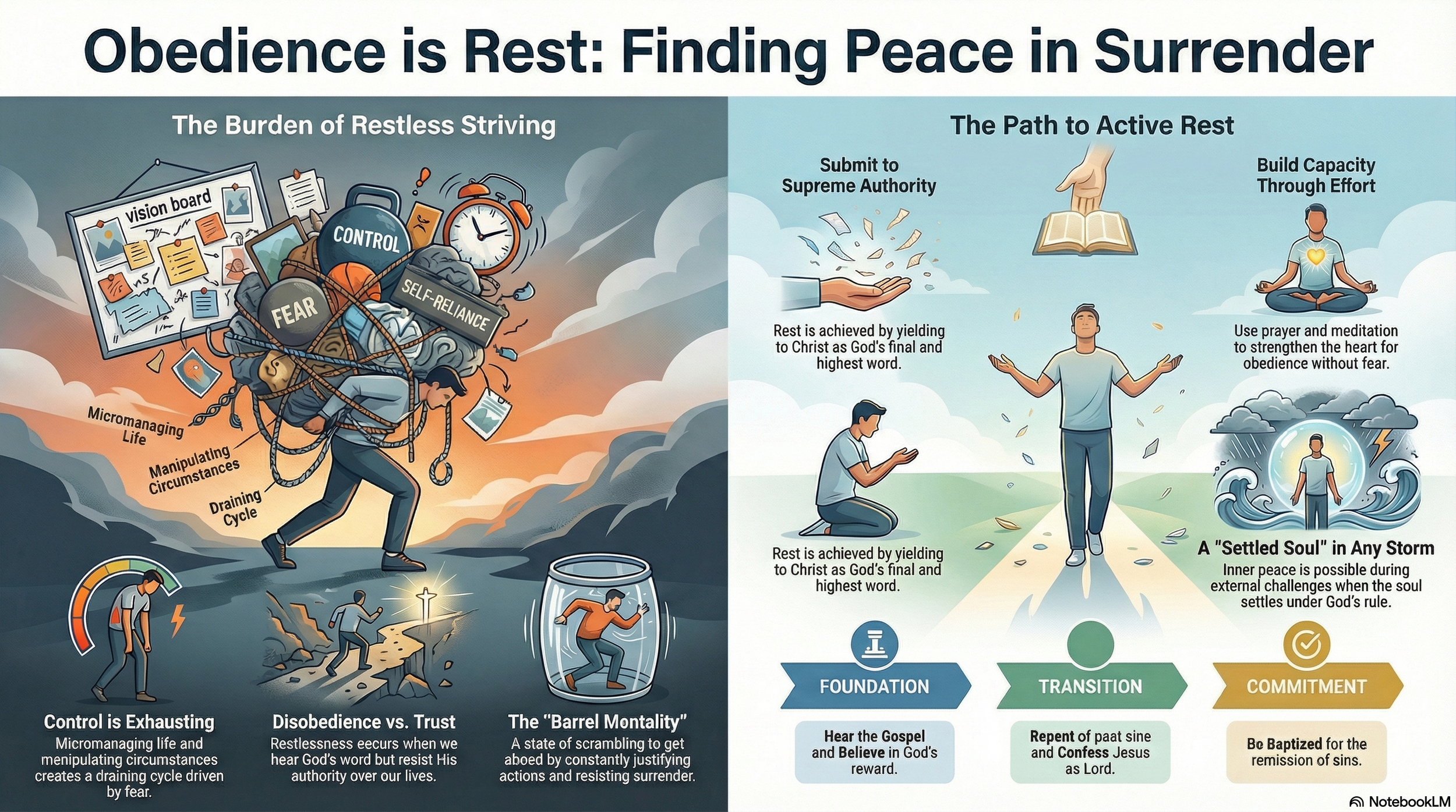
This Infographic summarizes Dr. Price’s lessons to date in 2026
Click on the picture to review other “Priceless Lessons.”